Skip to content
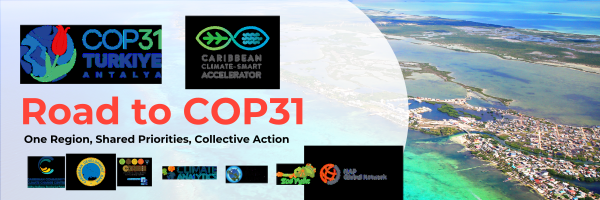
Road to COP31 — One Region, Shared Priorities, Collective Action
Dates
November 9–20, 2026
Location
Antalya, Türkiye
Organiser
UNFCCC

Road to COP31

Connecting Climate Solutions to capital, collaboration, and impact

Whether you're travelling to Türkiye or following from home, discover the Caribbean's climate priorities, regional voices, and opportunities to connect.

Our objective at COP31

Turning Climate Ambition into Action

As we prepare for COP31 in Türkiye, we face extraordinary opportunities and formidable obstacles, each requiring urgent action. According to Climate Policy Initiative's Landscape of Climate Finance in Latin America and the Caribbean, the region's annual climate investment needs could reach US$847 billion, a daunting challenge which, if met, could transform our future.

At the Caribbean Climate-Smart Accelerator (CCSA), our mission is to turn that potential into tangible progress, connecting the Caribbean's climate ambitions with the partnerships, investment and action needed to realise them. And at COP31, we will build on that ongoing work to close the climate finance gap by connecting funders and investors with Caribbean opportunities while strengthening our pipeline of investment-ready projects. We will continue making the region more visible, measurable, and investable through initiatives such as our Climate Smart Map and Beautiful Basics suite of services for climate entrepreneurs. And we will advocate for decisive action, embracing Türkiye's COP of the Future vision.

Through Caribbean CoLab, we've seen firsthand what is possible when we bring people together. At COP31, CCSA will carry that same spirit of collaboration forward.

Whether you're joining us in Türkiye or supporting from home, stay connected through our WhatsApp channel, COP31 events on our website, and social media.

This is a pivotal moment in our future, and it requires all of us.
Meet the CCSA at COP31

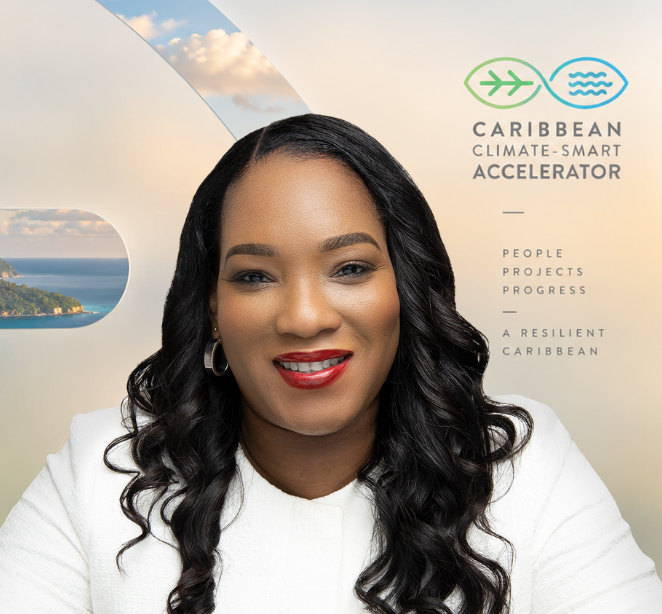
Racquel Moses

Racquel Moses

Chief Executive Officer

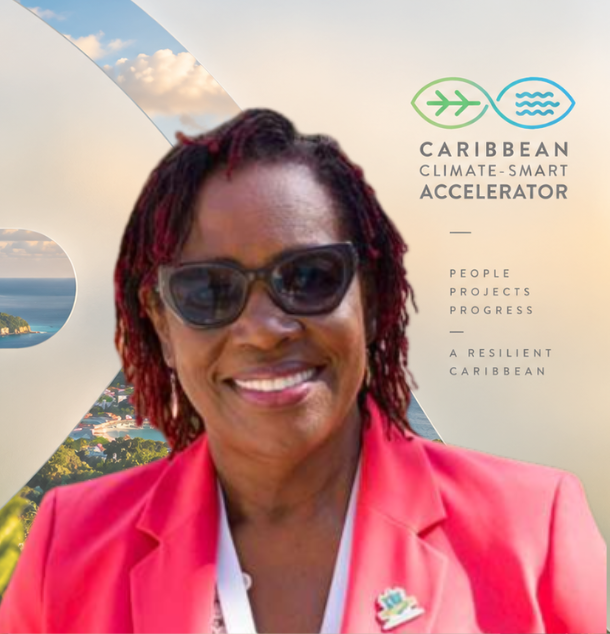
Una May Gordon

Una May Gordon

Chair, Board of Directors

Cheryl Senhouse

Cheryl Senhouse

Finance Innovation Director

The Caribbean at COP31

Whether or not you’re travelling to Türkiye for COP31, stay connected through the Road to COP31 Joint Calendar of Events, featuring regional engagements and opportunities to participate virtually where available.

All listed events are confirmed and in the Blue Zone. All event times are Antalya, Türkiye local time (UTC+3).
Date & timeEventVenueOrganiser / host
11:30 AM–12:30 PMPowering the Region Together – CARICOM Regional Energy Policy and the Energy Security/Integration ReportCARICOM PavilionCCREEE
2:30 PM–3:30 PMInclusion as an Implementation Driver and Economic Enabler – Driving a Just Energy Transition through Gender, Youth and Inclusive LeadershipCARICOM PavilionCCREEE
4:30 PM–5:30 PMYouth for the SDGs; From Ocean and Climate Learning to Community ActionSDG PavilionBlue Planet Alliance
10:00 AM–11:00 AMFrom Commitments to Capital – Partnering with Multilateral Development Banks to Deliver the Energy TransitionCARICOM PavilionCCREEE
4:00 PM–5:30 PMCharging the Transition – Scaling Electric Mobility Ecosystems for NDC Delivery in SIDS (Session 8)CARICOM PavilionCCREEE
2:30 PM–3:30 PMFinancing Caribbean Climate, Energy and Transport Transformation: From Ambition to ImplementationCARICOM PavilionCDB
1:00 PM–2:00 PMYouth for SDGs; Working towards the UN Ocean Decade, Ocean Literacy and and Climate LeadershipMoana Pacific PavilionBlue Planet Alliance
2:30 PM–3:30 PMTransforming Public Infrastructure – Energy-Efficient Retrofits and Distributed Renewables in Buildings (Session 10)CARICOM PavilionCCREEE
TBDIsland Blueprints for 100% Renewable EnergySDG PavilionBlue Planet Alliance
2:30 PM–3:30 PMFinancing a Resilient Caribbean: Scaling Climate Action, Investment and Delivery in Blue EconomyCARICOM PavilionCDB
11:45 AM–12:45 PMFrom Plans to Projects – Unlocking System Transformation through Integrated Resource and Resilience Planning (CDB-ASERT 2030 Programme)CARICOM PavilionCCREEE
10:30 AM–11:30 AMMDB and Development Partner Collaboration to Scale Caribbean Climate and Resilience FinanceCARICOM PavilionCDB
2:30 PM–3:30 PMInvesting in Resilience: How Planning and Coordination can Help Caribbean SIDS Respond More Effectively to Major Climate Change ImpactsCARICOM PavilionCDB
11:00 AM–12:00 PMSailing for Climate Action and a Renewable Energy FutureASU Global Futures PavilionBlue Planet Alliance
10:00 PM–11:00 PMStanding on Inventory: Caribbean Youth Turning Climate Disruption into OpportunityCARICOM PavilionKneyzus Energy
11:30 AM–12:30 PMIsland to Island: The Caribbean Fellowship Pathway to 100% Renewable EnergyCARICOM PavilionBlue Planet Alliance
10:00 AM–11:00 AMUnlocking Offshore Wind in the Caribbean – From Resource Assessment to Resilient Investment (UK FCDO ROWSAR II)CARICOM PavilionCCREEE
11:30 AM–12:30 PMScaling a Just Energy Transition through Regional Centres, Private Sector and Global CooperationCARICOM PavilionCCREEE
1:00 PM–2:00 PMBlue Economy to Green Power – Resilient Caribbean Ports, Marine Energy and the Next Investment FrontiersCARICOM PavilionCCREEE
11:30 AM–12:30 PMBeyond Blue Carbon: Integrating the Ocean into Caribbean Climate Ambition and ActionCARICOM PavilionEcovybz / RISE UP for the Ocean

Road to COP Partners

Across the region, organizations are advancing climate action, building partnerships, and championing solutions. Hear directly from our Road to COP31 partners as they share their priorities and expectations for COP31.

Dr. Colin Young

Dr. Colin Young

Executive Director

Caribbean Community Climate Change Centre (CCCCC)

COP 31 is occurring at a time of unparalleled geopolitical uncertainty fuelled by ongoing wars and conflict, a slashing of overseas development assistance to the Global South, and unprecedented backsliding on climate commitments from those most responsible for causing climate change. Meanwhile, the UNEP Emissions Report recently concluded that safeguarding the 1.5°C goal is no longer viable by 2100. For SIDS, the implications of overshooting the 1.5°C will be dire, as we know that every increment of warming increases the frequency and intensity of climate-related shocks, resulting in the loss of lives and livelihoods of our people. Thus, going into COP31, CARICOM and AOSIS must be united in calling for urgent, scaled-up ambition, required by the science, to limit both the duration and extent of the overshoot. We cannot countenance the abandonment of the 1.5°C temperature goal.

SIDS must ensure that COP31 keeps 1.5°C as the north star and, as such, must deliver meaningful progress in closing the emissions gap, scaling up accessible and predictable climate finance, accelerating adaptation finance, and addressing loss and damage. Those with the greatest responsibility and capacity to act must demonstrate the political will to deliver on their commitments. This is not charity; rather, the largest emitters have an obligation as outlined in the UNFCCC and the Paris Agreement, recently confirmed by the ICJ Advisory Opinions.

At the Caribbean Community Climate Change Centre, we remain steadfast in our commitment to supporting CARICOM Member States, through coordinating and strengthening our collective negotiating position, and ensuring that the Caribbean's and SIDS priorities are reflected in global decisions. At the same time, we continue to work with our Member States to mobilize climate finance to help build resilience across the Region. However, we cannot adapt our way out of the worse impacts of climate change. We need urgent, scaled-up ambition now to prevent irreversible loss and damage. Our region has consistently demonstrated leadership, resilience and unity in the face of this crisis, and we will continue to advocate for outcomes that respond to the science and the realities of our people.

As the world gathers in Antalya, we must not lose sight of what is at stake. 1.5°C to Stay Alive remains as urgent and relevant today as when the CCCCC and Caribbean first championed this call. Our survival, our development aspirations, and the future generation depend on the decisions we make today.

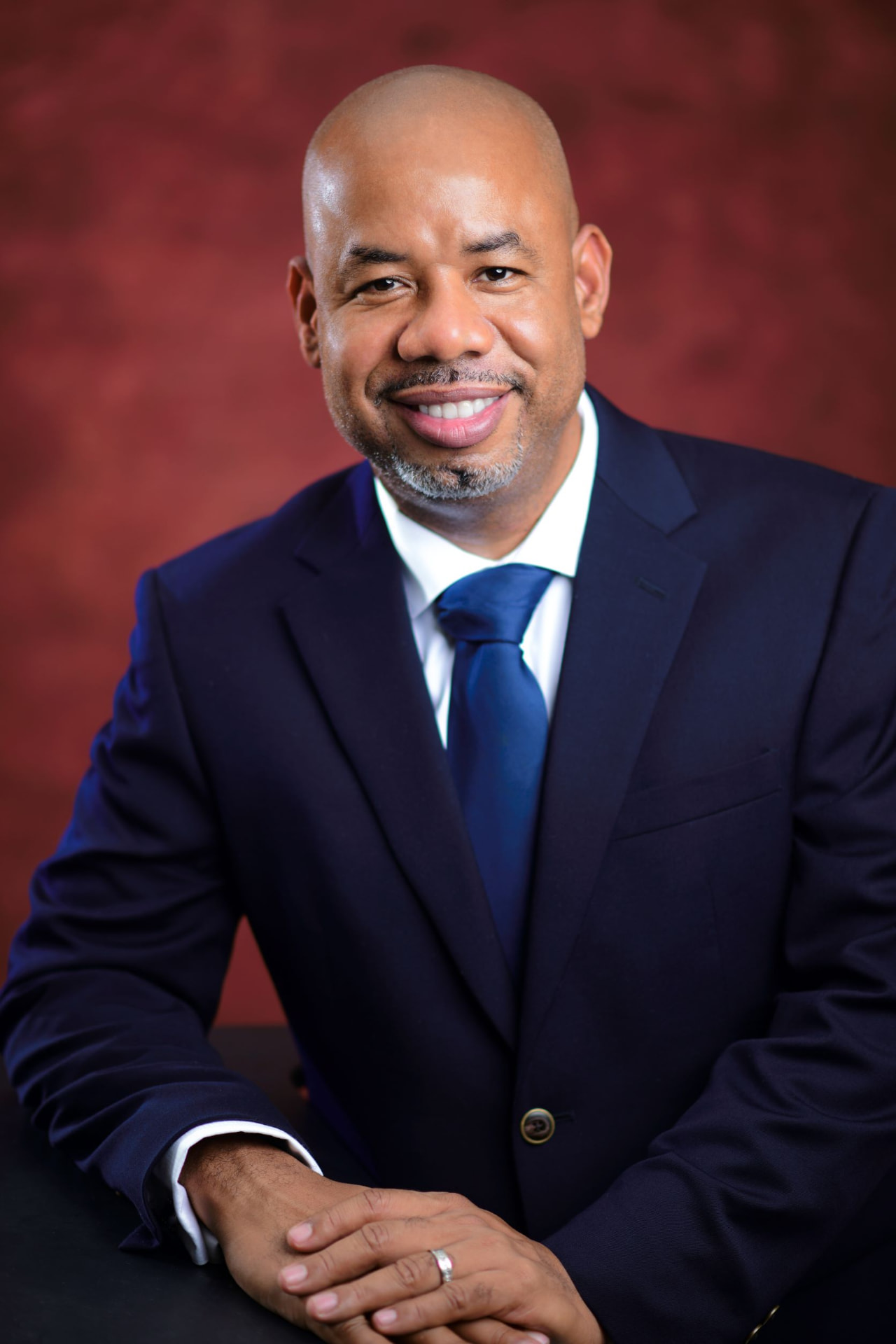
Daniel M. Best

Daniel M. Best

President

Caribbean Development Bank (CDB)

Across the Caribbean, the burden of climate change grows heavier every year, threatening lives, livelihoods, and hard-won development gains. For our region, the challenge is not only recovering from today’s natural hazards or disasters but investing now to withstand those yet to come.

Building climate resilience requires affordable, reliable financing and investments that enable countries to strengthen infrastructure, protect communities, and adapt before disaster strikes.

Climate-vulnerable countries often face higher borrowing costs despite contributing little to the crisis. At COP31, the Caribbean Development Bank (CDB) will continue to advocate for adequate climate finance and a system that works for vulnerable countries. We will champion greater investment in resilience before disasters occur, financing solutions that make resilience-building more affordable, and approaches that recognise vulnerability, not income alone, when determining access to climate finance.

CDB is already advancing this agenda through investments, partnerships, and innovative financing initiatives that help countries strengthen resilience and accelerate climate action. But the scale of the challenge facing the Caribbean cannot be met by any one institution acting alone. It will require stronger partnerships, greater mobilisation of climate finance, and a shared commitment to ensuring that vulnerable countries have the resources they need to adapt and thrive.

Fundamentally, climate action is an investment in people. It is about protecting livelihoods, creating opportunity, and safeguarding the future of vulnerable communities. The decisions made today will shape the Caribbean’s ability to withstand future shocks and sustain long-term development. CDB will continue to be a strong voice for a fairer global financial system that expands access to affordable finance, recognises vulnerability, and helps build a more resilient Caribbean.

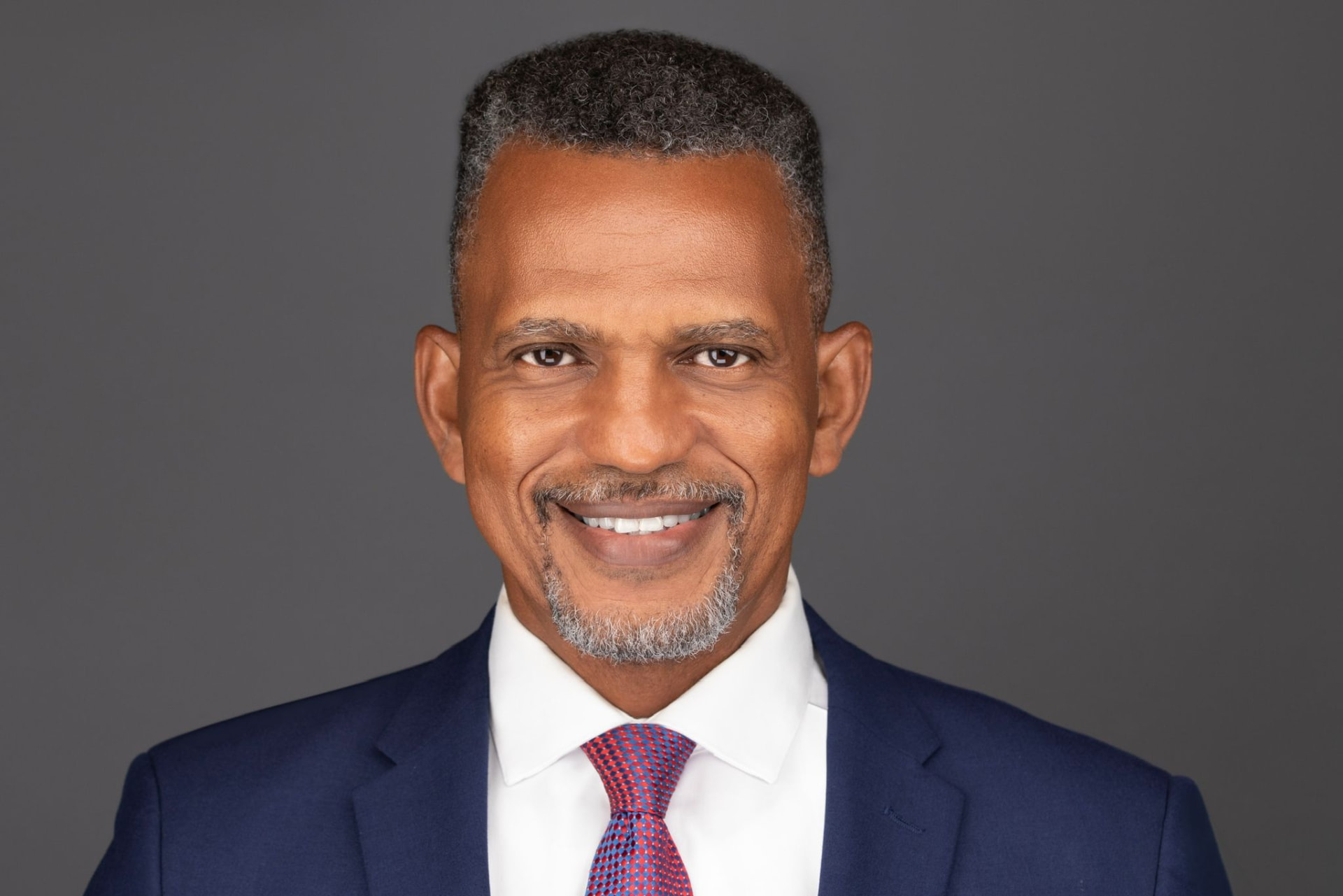
Dr. Mohammad Rafik M.S. Nagdee

Dr. Mohammad Rafik M.S. Nagdee

Executive Director

Caribbean Centre for Renewable Energy & Energy Efficiency (CCREEE)

For me, energy sovereignty is not merely a climate ambition; it is about securing the Caribbean's economic future, protecting our communities and building lasting resilience. COP31 must move us beyond commitments towards tangible investments and implementation. We cannot afford to continue at our current pace. Time is not on the Caribbean's side.

At CCREEE, we are advancing our Energy Investment Platform to overcome fragmented markets through pooled procurement, regional aggregation, and improved access to finance. Together with our 5×35 Vision, these initiatives can accelerate our region's energy transformation, but support is needed.

My call at COP31 is for stronger commitments to finance and empower regional institutions so help bridge capacity gaps, expand specialised expertise, and accelerating project implementation.

I firmly believe our greatest strength lies in regional collaboration. By acting collectively, with greater urgency and ambition, we can transform our vulnerabilities into opportunities and deliver genuine energy sovereignty for our people.

Sasha Jattansingh

Sasha Jattansingh

Acting Director

Climate Analytics Caribbean

As we look ahead to COP31 this November, the possible overshoot of 1.5°C must be a wake-up call: we must raise our ambition, accelerate delivery and listen to the science. COP31 must deliver a credible path to bring global temperatures back well below 1.5°C as soon as possible, alongside the climate finance and support that Small Island Developing States need to implement transformational solutions at the urgency and scale that overshoot demands.

For the Caribbean, the consequences are deeply personal. Climate change threatens our loved ones, our homes, our heritage and the roots that connect us to our islands. Climate justice demands that those least responsible for this crisis are not left to bear its heaviest costs.

As the world embraces the green transition, the Caribbean has much to offer through our renewable energy potential, knowledge, and innovation. We are determined to ensure our region is not left behind.

At Climate Analytics Caribbean, we remain committed to amplifying Caribbean voices and advancing science-led solutions for a fairer, safer future for all.

Henk Rogers

Henk Rogers

Founder

Blue Planet Alliance

Islands sit on the front line of climate change, and they are also leading the way out of it. For island communities, climate change is not a distant threat but a daily reality, and that reality is driving bold action. Hawai’i showed the world what is possible as the first state to legislate 100% renewable energy by 2045, and Blue Planet Alliance is working to see islands and nations everywhere write that same commitment into law.

COP31 in Antalya must be the moment ambition becomes action. Following a Pre-COP in Fiji and Tuvalu, the Pacific’s message is unmistakable. Negotiators must deliver a credible pathway away from fossil fuels, finance that reaches frontline communities, and ocean solutions embedded in national climate plans.

Learning from others matters, but the decision belongs to every island and nation alone. Blue Planet Alliance believes the time for waiting is over. Every island and every nation must take action now, write its commitment into law, and claim its own energy independence. The path is proven. We must take action, and we must commit to 100% renewable energy.

Khadija Stewart

Khadija Stewart

Founder & CEO

EcoVybz Environmental Creatives

As the world confronts the reality of 1.5°C temperature overshoot, COP31 must mark a shift from climate ambition to implementation. For Caribbean Small Island Developing States, protecting our oceans, strengthening adaptation, and investing in the next generation of climate leaders are inseparable priorities. At EcoVybz Environmental Creatives, we call for stronger integration of ocean priorities into Nationally Determined Contributions (NDCs) and National Adaptation Plans (NAPs), measurable progress on the Global Goal on Adaptation, and climate finance that reaches coastal communities and youth-led initiatives.

Effective implementation also requires informed and empowered communities. Climate communication, storytelling and environmental education are essential for translating complex policies into accessible knowledge, strengthening public participation and mobilising local action. COP31 must advance the operationalisation of existing commitments through accessible finance, clear accountability mechanisms and inclusive implementation that empowers communities and young people to contribute to climate solutions. For the Caribbean, progress must be measured by action on the ground, not promises on paper.

For updates on their COP31 activities, events, and engagement throughout the conference, please follow them on Instagram at @ecovybz.

Dr. Orville Grey

Dr. Orville Grey

Head of Secretariat

NAP Global Network

At the NAP Global Network, we believe good adaptation planning helps us decide, act, and adjust as conditions change. Ahead of COP31, we continue to work with our Caribbean partners for the urgent shift from planning to implementing adaptation priorities in regional Small Island Developing States through three mutually reinforcing approaches— building the right systems, using the right levers, and engaging the right actors to advance adaptation implementation. Dr. Orville Grey, Head of the Secretariat for the NAP Global Network, which is hosted by the International Institute for Sustainable Development.